Play
Podcast (mp3): Download (Duration: 1:05:42 — 45.2MB)
KDE are almost finished with X11, Purism make progress with their FOSS phone, Nextcloud video calling is here, a debate about CVE branding, …
Dan Kohn, Executive Director of the Cloud Native Computing Foundation, joined the show to talk about what it means to be Cloud Native, the ins and outs of Dan’s role to the foundation, how they make money to sustain things, membership, the support they give to open source projects, the home they’ve given to Kubernetes,...
Cloud Foundry is an open-source platform as a service for deploying and managing web applications. Cloud Foundry is widely used by enterprises who are running applications that are built using Spring, a popular web framework for Java applications, but developers also use Cloud Foundry to manage apps built in Ruby, Node and any other programming
Play
Podcast (mp3): Download (Duration: 1:06:43 — 45.9MB)
A brief check-in with KDE and a look at FOSS speech recognition, Meltdown and Spectre, last year’s predictions, and new ones for 2018.
News …
Scott talks to Docker Captain and Open Source programmer Alex Ellis about the rise of Kubernetes, Serverless, and his project "OpenFaas." Alex also shares details on the obsession (and usefulness) of Raspberry Pi clusters for learning large systems development.
We talk with Alan Duric, Co-founder and CEO of Wire, an open source end-to-end encrypted instant messaging app for voice and video calls. In 2005 Alan co-founded Camino Networks which was later acquired by Skype, and his involvement with internet based voice communications goes back 20 years. We talk about the early da...
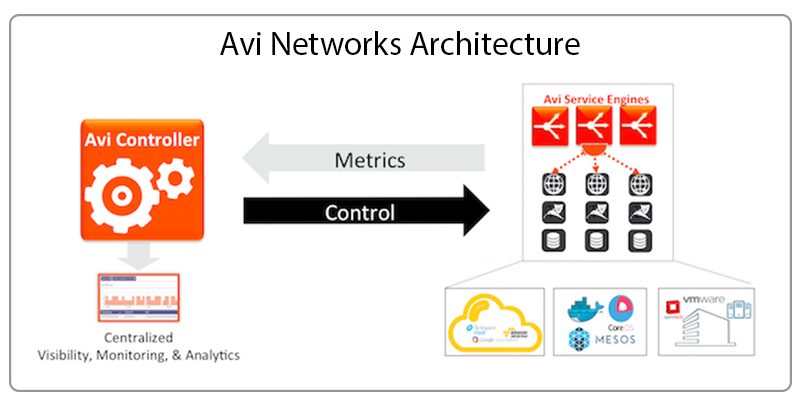
Cloud computing changed the economics of running a software company. A cloud is a network of data centers that offers compute resources to developers. In the 1990s, software companies purchased servers–an upfront capital expense that required tens of thousands of dollars. In the early 2000s, cloud computing started, and turned that capital expense into an
Play
Podcast (mp3): Download (Duration: 1:05:20 — 44.9MB)
It’s been a year of Late Night Linux! We wrapped up the year with a look back at some of the biggest Linux and FOSS stories.
January
No New …
Play
Podcast (mp3): Download (Duration: 51:23 — 35.3MB)
Jesse is back from Trumpistan so it’s a full house again. KDE looks forward, TeamViewer comes to Linux, more Intel ME problems, HTTPS is …
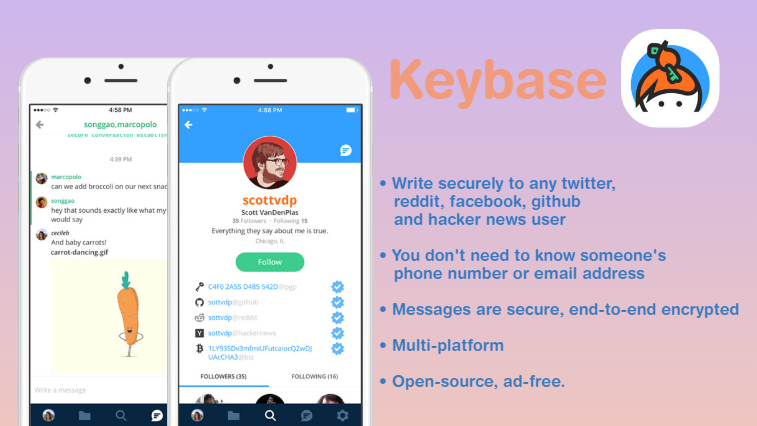
Public key encryption allows for encrypted, private messages. A message sent from Bob to Alice gets encrypted using Alice’s public key. Public key encryption also allows for signed messages–so that when Alice signs a message, Alice uses her private key and Bob can verify it if Bob has her public key. In both cases, Bob
Play
Podcast (mp3): Download (Duration: 57:21 — 39.4MB)
With Jesse away it’s just Joe and the Irish this time. A good step forward for open hardware, Firefox is almost good now, kernel security …
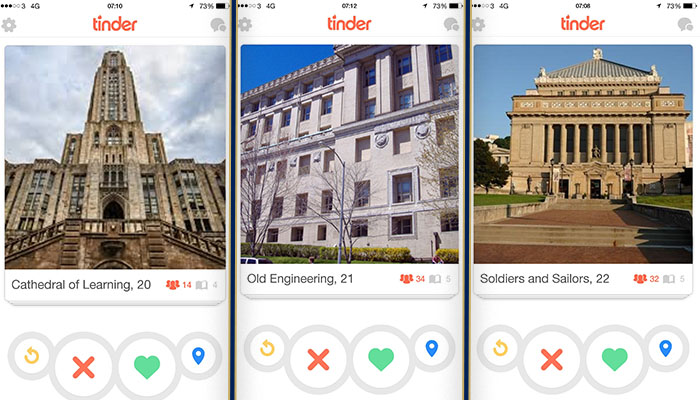
Tinder is a rapidly growing social network for meeting people and dating. In the past few years, Tinder’s userbase has grown rapidly, and the engineering team has scaled to meet the demands of increased popularity. On Tinder, you are presented with a queue of suggested people that you might match with, and you swipe left
Docker’s now into kubernetes, being the last major vendor outside of Amazon to latch the orchestration framework into its strategy. Yup, as usual, it’s pretty much just kubernetes business yappin’.
Computational load is the amount of demand that is being placed on a computer system. “Load” can take the form of memory, CPU, network bandwidth, disk space, and other finite resources. When we design systems, we need to prepare for high-load events. On a social network, people are much more active in the mornings. On
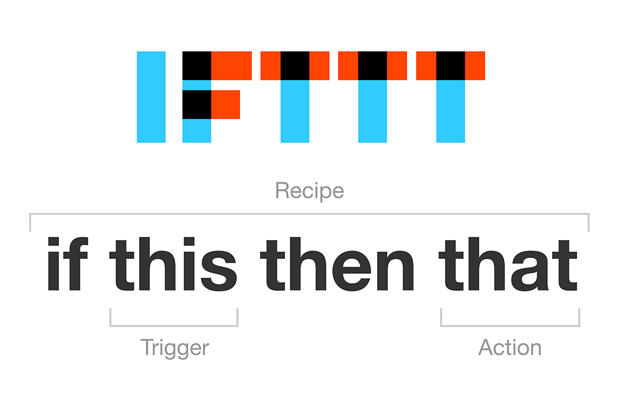
It’s 9pm at night, and you are hungry. You order a pizza from Domino’s. You live on a street that’s dark, and so you have installed a smart lightbulb in front of your mailbox that lights up the address. When the pizza at Domino’s is ready, you want the lightbulb on your mailbox to light
Ever wanted to get on stage and share what you know with the world? Guest Stuart Langridge joins us to talk about writing, researching and giving your first talk. We look at the value of meetups and local community events in your speaking career, how to get up on that first conference stage and how to stay cool up there. Stuart is a web expert, writer, consultant and podcaster based in the UK. Our next episode will look at tips and tricks for giving a great talk once you've gotten to that big stage. Join us next Tuesday as we're joined by Andrew Lightheart.
Play
Podcast (mp3): Download (Duration: 59:21 — 40.8MB)
All four of us return to talk about KDE, FOSS phones and watches, Solus’ growing pains, perfect code and more.
News
More eKciting developments …
The code in the Linux kernel changes all the time–11k lines are added, 5.8k lines are removed, and 2k lines are modified DAILY. Linux is an open source operating system that has been worked on for 25 years, and one reason the project is able to move so fast is its governance and release structure.
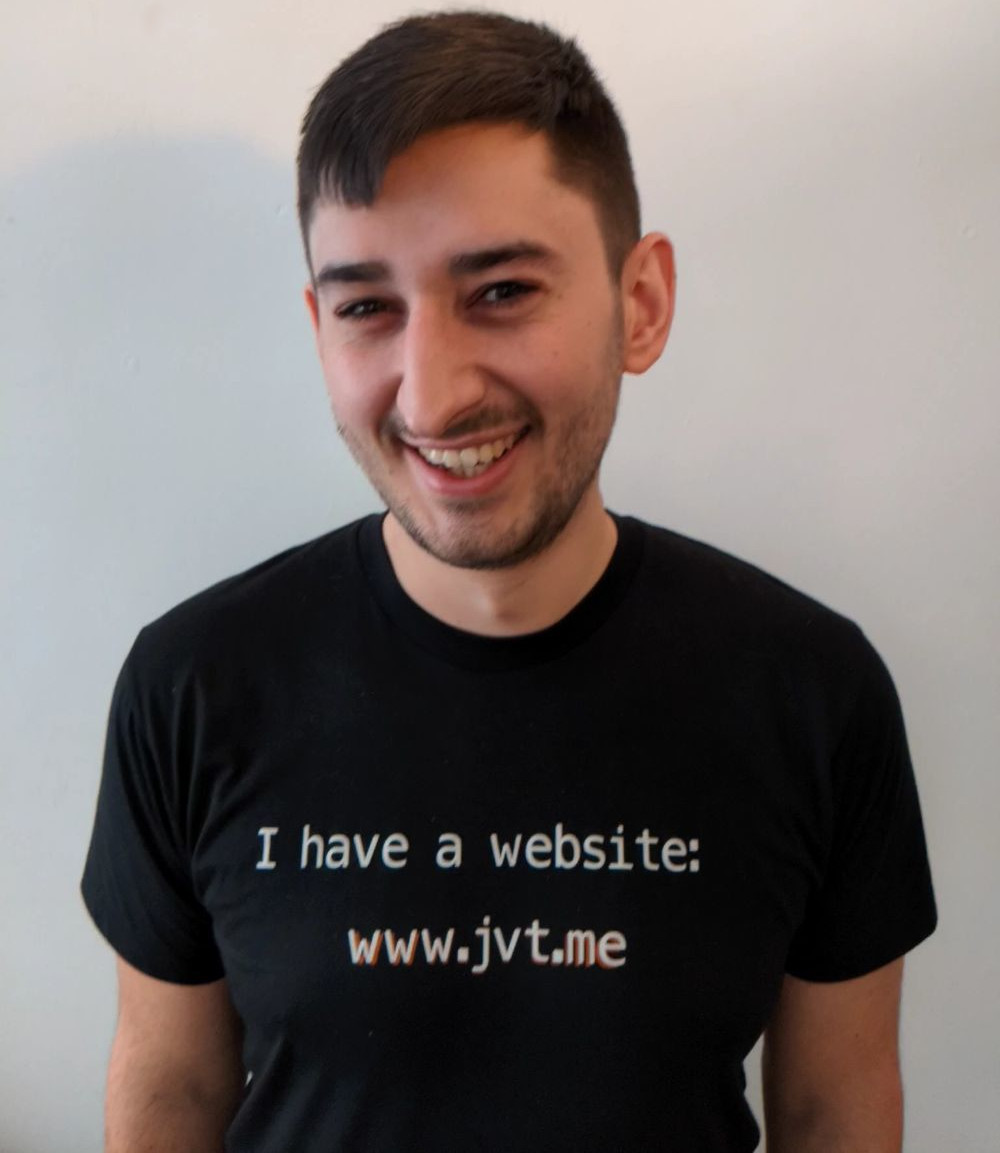 Jamie Tanna
.
#year-in-review
#retrospective
#appendix
#gitlab
#github
#health
#monzo
#capital-one
#spectat-designs
#hackathon
#meetups
#community
#holiday
#www.jvt.me.
Jamie Tanna
.
#year-in-review
#retrospective
#appendix
#gitlab
#github
#health
#monzo
#capital-one
#spectat-designs
#hackathon
#meetups
#community
#holiday
#www.jvt.me.