Fuck Google Forms' "autosave" functionality for replacing ~20 minutes of writing effort with "a newer version" of the data, which was in fact, a very old version from another tab 😡
by  Jamie Tanna
.
Jamie Tanna
.
Fuck Google Forms' "autosave" functionality for replacing ~20 minutes of writing effort with "a newer version" of the data, which was in fact, a very old version from another tab 😡
by Jamie Tanna
.
Listen to this episode of The Delta Flyers: 'Night' released on August 25, 2025. Stream this episode and discover all the new episodes from your favorite podcasts on Podbay, the best podcast player on the web.

by Jamie Tanna
.
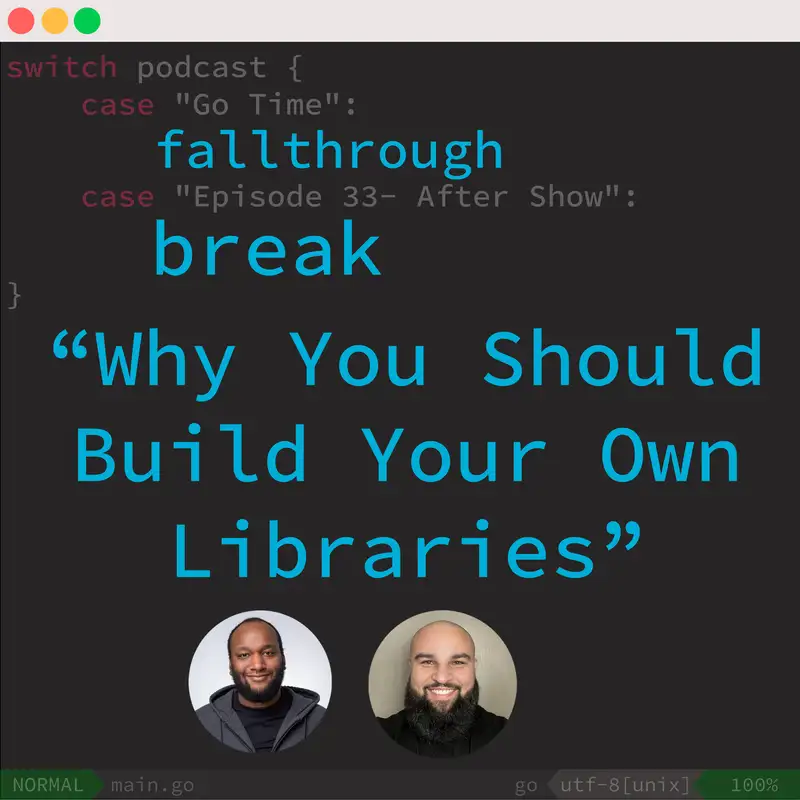
Welcome back to Break, a Fallthrough aftershow! In this episode, Kris and Matt talk about Fallthrough episode #33.Enjoying the aftershow? Let us know on social media! If you prefer to watch instead of just listen, head over to YouTube where you watch this episode of Break!Thanks for tuning in and...
by Jamie Tanna
.
🥩 Meatspace🇺🇸 Going to GopherCon in NYC? Meet other Cup'o'Gophers there!🇺🇸 Interested in a SF meetup? Fill out the poll🇷🇺 Let's GoConf, Sept 12 @ Moscow, RussiaGopherJS 1.19 with generics releasedInterview with Grant Nelson, Episode 53ProposalsAccepted: x/tools/go/analysis/structtag: stricter...

by Jamie Tanna
.
Bryan Cantrill returns in the wake of Oxide Computer Company's $100M Series B. Bryan tells us how he's avoiding an appearance on Silicon Valley (ding), why their uniform compensation is working, where Oxide fits in the AI datacenter, what scaling to 50+ rack orders looks like, and more. (GitHub has no CEO and saving In...
by Jamie Tanna
.
What is it like to ship software in big tech? Sean gives us his experience from multiple companies and what he’s learned. It's probably not what you think. It doesn't matter if you're vibe coding features or bash-ing devops, we all need to remember why we were...

by Jamie Tanna
.
Go 1.25 is released🛠️ x/tools contains public packages that fail to build with Go 1.25.0🧱 Building blocks for idiomatic Go pipelines by Anton ZhiyanovGopherCon USA, Aug 26-28 in New York🌩️ Lightning Roundoutrig
by Jamie Tanna
.
Listen to this episode of The Delta Flyers: 'Hope and Fear' released on August 25, 2025. Stream this episode and discover all the new episodes from your favorite podcasts on Podbay, the best podcast player on the web.

by Jamie Tanna
.
Listen to this episode of The Delta Flyers: 'One' released on August 25, 2025. Stream this episode and discover all the new episodes from your favorite podcasts on Podbay, the best podcast player on the web.

by Jamie Tanna
.
Steve Klabnik wasn't a fan of AI. He knows how to code at high and low levels...but then he tried again. Now he's making more, shipping more, coding more, and having more fun. Is this a moral choice or a techincal one or both?

by Jamie Tanna
.
Visit https://cupogo.dev/ for all things Cup o' Go![security] Go 1.24.6 and Go 1.23.12 are releasedMicrosoft build of Go Telemetry – Helping Us Build Better ToolsGo Assembly Mutation TestingGitLab catches MongoDB Go module supply chain attackBreak:Jonathan's streaming again on TwitchGeorge Adams...
by Jamie Tanna
.
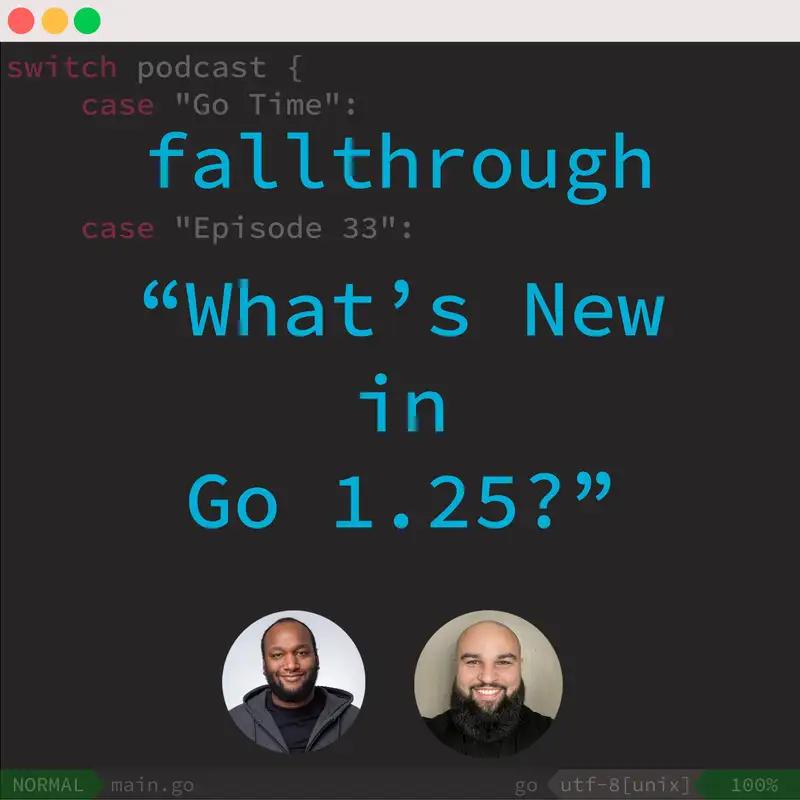
It's August, which means we've got a fresh new Go release! In this episode, Kris and Matt pick up the "What's New in Go?" series with an edition for the Go 1.25 release. We've also have a new episode of Break! Watch it on YouTube or listen with your favorite podcasting app! Learn more by going to...
by Jamie Tanna
.
Listen to this episode of The Delta Flyers: 'Demon' released on August 25, 2025. Stream this episode and discover all the new episodes from your favorite podcasts on Podbay, the best podcast player on the web.

by Jamie Tanna
.
Listen to this episode of The Delta Flyers: 'Living Witness' released on August 25, 2025. Stream this episode and discover all the new episodes from your favorite podcasts on Podbay, the best podcast player on the web.

by Jamie Tanna
.
Listen to this episode of The Delta Flyers: 'Unforgettable' released on August 25, 2025. Stream this episode and discover all the new episodes from your favorite podcasts on Podbay, the best podcast player on the web.

by Jamie Tanna
.
Week Notes 25#33 (3 mins read).
What happened in the week of 2025-08-11?
by Jamie Tanna
.
#week-notes.
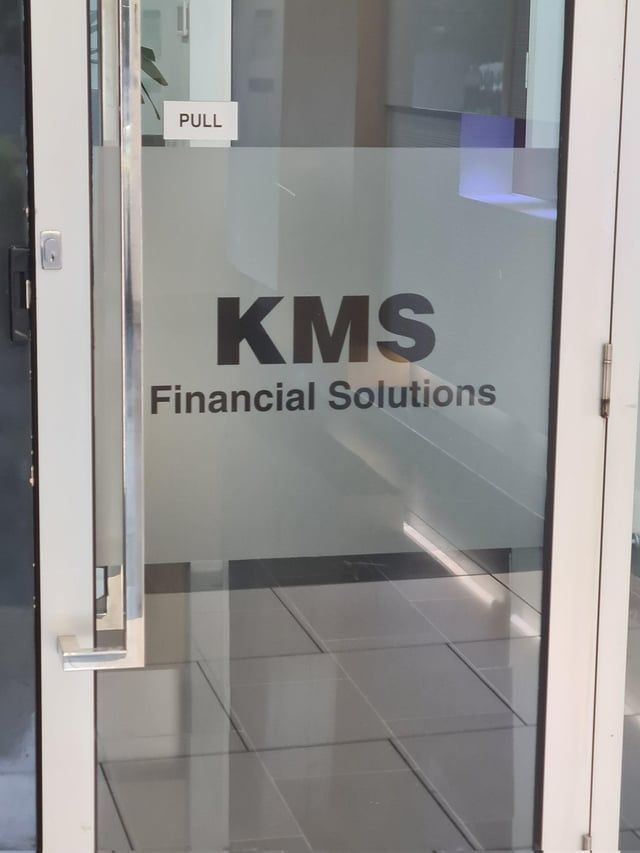
Millennial retirement planning
by Jamie Tanna
.
#shitpost.
Listen to this episode of The Delta Flyers: 'The Omega Directive' released on August 25, 2025. Stream this episode and discover all the new episodes from your favorite podcasts on Podbay, the best podcast player on the web.

by Jamie Tanna
.
Listen to this episode of The Delta Flyers: 'Vis à Vis' released on August 25, 2025. Stream this episode and discover all the new episodes from your favorite podcasts on Podbay, the best podcast player on the web.

by Jamie Tanna
.
GopherCon UK 2025 (10 mins read).

A writeup of the GopherCon UK 2025 conference.
Clearing Language Server Protocol (LSP) diagnostics in Neovim (1 mins read).
How to clear all diagnostic messages from your current buffer, in Neovim.
Listen to this episode of The Delta Flyers: 'The Killing Game Part II' released on August 25, 2025. Stream this episode and discover all the new episodes from your favorite podcasts on Podbay, the best podcast player on the web.

by Jamie Tanna
.
Listen to this episode of The Delta Flyers: 'A Very Special Holodeck Holiday' released on August 25, 2025. Stream this episode and discover all the new episodes from your favorite podcasts on Podbay, the best podcast player on the web.

by Jamie Tanna
.
Listen to this episode of The Delta Flyers: 'Killing Game Part 1' released on August 25, 2025. Stream this episode and discover all the new episodes from your favorite podcasts on Podbay, the best podcast player on the web.

by Jamie Tanna
.
Fool me once, shame on you; fool me twice, shame on me.

by Jamie Tanna
.
#ai
#llm.
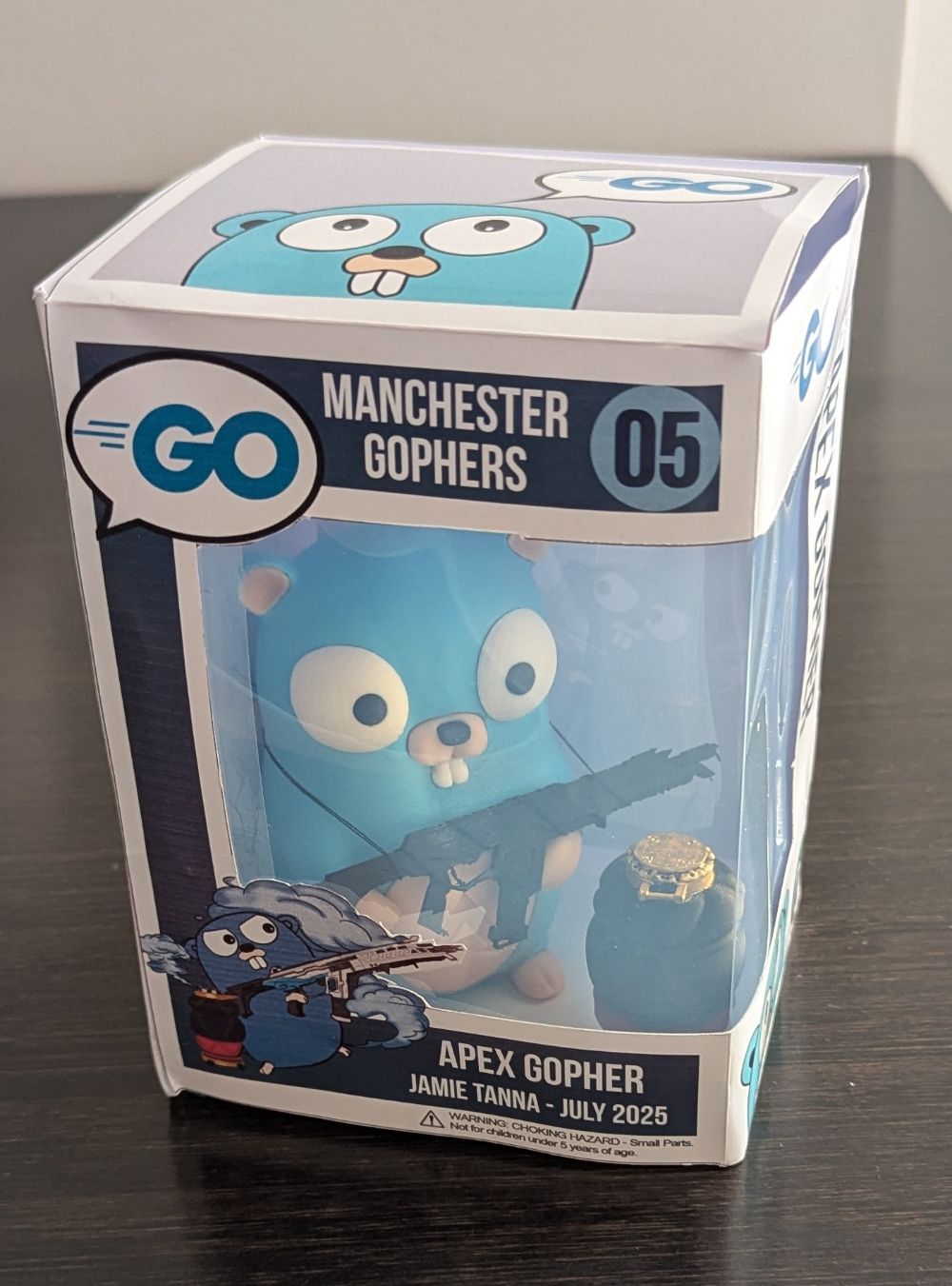
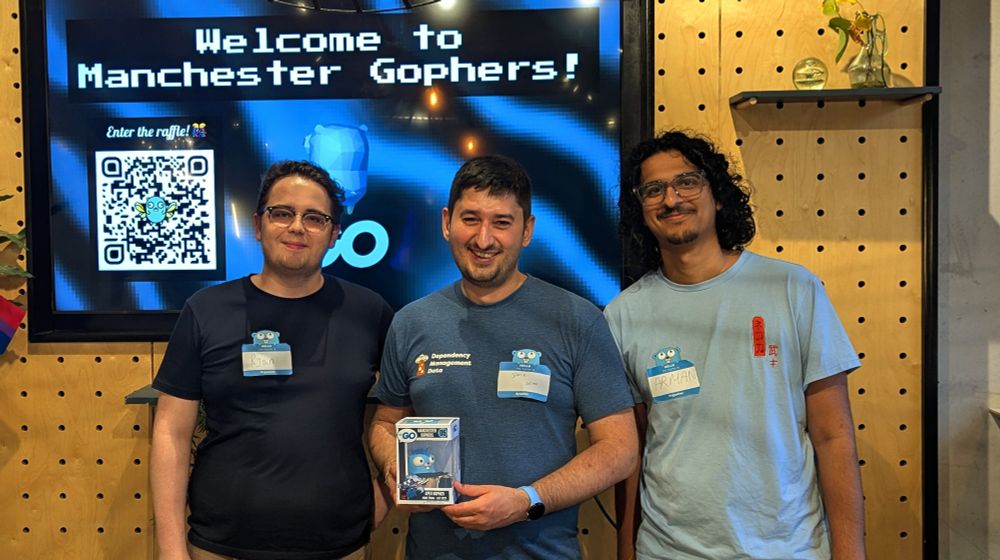
A couple of weeks ago I was at the Manchester Gophers, giving them a sneak peek of my tutorial I'm doing on Friday at #GopherConUK, and I had a blast - was a great time with some great people, and always a fan of sharing more about #DependencyManagementData
Their post has some other great photos, but I think if you really want a convince to go and speak - if the great people isn't enough - you also get an amazing speaker gift - a custom made Gopher!
by Jamie Tanna
.
#gopher-con-uk
#dependency-management-data.
Big thanks to @www.jvt.me for running the "What story does your dependency tree tell you about your org?" Great tooling on how to manage dependencies and surface up actionable data using dmd! You can catch this workshop at GopherconUK if you are attending!
by Jamie Tanna
.
Listen to this episode of The Delta Flyers: 'Retrospect' released on August 25, 2025. Stream this episode and discover all the new episodes from your favorite podcasts on Podbay, the best podcast player on the web.

by Jamie Tanna
.
COVID test negative ✅
Next stop: London for #GopherConUK
Looking forward to seeing folks, learning from some awesome people, and sharing some cool insights you can learn from your organisation with #DependencyManagementData 🔥
by Jamie Tanna
.
#gopher-con-uk
#dependency-management-data.
The purpose of stickers is to Never Use Them so that when you die your friends can put them on your coffin
by Jamie Tanna
.
Running Docker images from other architectures, on Linux (1 mins read).
How to run an ARM64 Docker container when running on AMD64, on Linux.
Listen to this episode of The Delta Flyers: 'Prey' released on August 25, 2025. Stream this episode and discover all the new episodes from your favorite podcasts on Podbay, the best podcast player on the web.

by Jamie Tanna
.
Listen to this episode of The Delta Flyers: 'Hunters' released on August 25, 2025. Stream this episode and discover all the new episodes from your favorite podcasts on Podbay, the best podcast player on the web.

by Jamie Tanna
.
Week Notes 25#32 (2 mins read).
What happened in the week of 2025-08-04?
by Jamie Tanna
.
#week-notes.
Listen to this episode of The Delta Flyers: 'Message in a Bottle' released on August 25, 2025. Stream this episode and discover all the new episodes from your favorite podcasts on Podbay, the best podcast player on the web.

by Jamie Tanna
.
Listen to this episode of The Delta Flyers: 'Waking Moments' released on August 25, 2025. Stream this episode and discover all the new episodes from your favorite podcasts on Podbay, the best podcast player on the web.

by Jamie Tanna
.
Listen to this episode of The Delta Flyers: 'Mortal Coil' released on August 25, 2025. Stream this episode and discover all the new episodes from your favorite podcasts on Podbay, the best podcast player on the web.

by Jamie Tanna
.
Listen to this episode of The Delta Flyers: 'Concerning Flight' released on August 25, 2025. Stream this episode and discover all the new episodes from your favorite podcasts on Podbay, the best podcast player on the web.

by Jamie Tanna
.
Listen to this episode of The Delta Flyers: 'Random Thoughts' released on August 25, 2025. Stream this episode and discover all the new episodes from your favorite podcasts on Podbay, the best podcast player on the web.

by Jamie Tanna
.
Adam & Jerod (plus zero other randos) dig into Stack Overflow's 2025 developer survey results. We discuss SO's decline, the desire for younger devs to have real chats with real people, the rise of uv and more Python winning, why people are frustrated with AI, and more.
by Jamie Tanna
.
Welcome back to Break, a Fallthrough aftershow! In this second episode, Kris and Matt are joined by Alex Sims to talk about Fallthrough episode #31. They talk about the difficulties of change, why communication in companies sucks, Matt's interesting analogies, and more!We hope you enjoy this new...
by Jamie Tanna
.
How do you make change happen effectively? In this episode, Matt is joined by Alex Sims to discuss championing a cause and making change happen within your organization. They discuss various strategies, including how to get started, different technical approaches, and how to deal with those who...
by Jamie Tanna
.
🗳️ Surveys say...StackOverflow 2025 Developer Survey resultsThe Pragmatic Engineer 2025 SurveyProposals🆕 New: proposal: x/tools/go/analysis/structtag: stricter JSON tag checkingRelated discussion on Episode 117Accepted: doc: mention "purego" build tag convention somewhere🤡 Accepted: mime: expand...
by Jamie Tanna
.
Sam Lambert is the CEO of PlanetScale - a cloud database provider.Sam shares:- Why dropping the free tier was one of PlanetScale's best decisions. But is not fo...

by Jamie Tanna
.
A lightweight way to add ambient social cohesion for remote teams.
by Jamie Tanna
.
#remote-work.
Week Notes 25#31 (2 mins read).
What happened in the week of 2025-07-28?
by Jamie Tanna
.
#week-notes.
Creating beautiful visualisations of dependency data with Evidence (8 mins read).
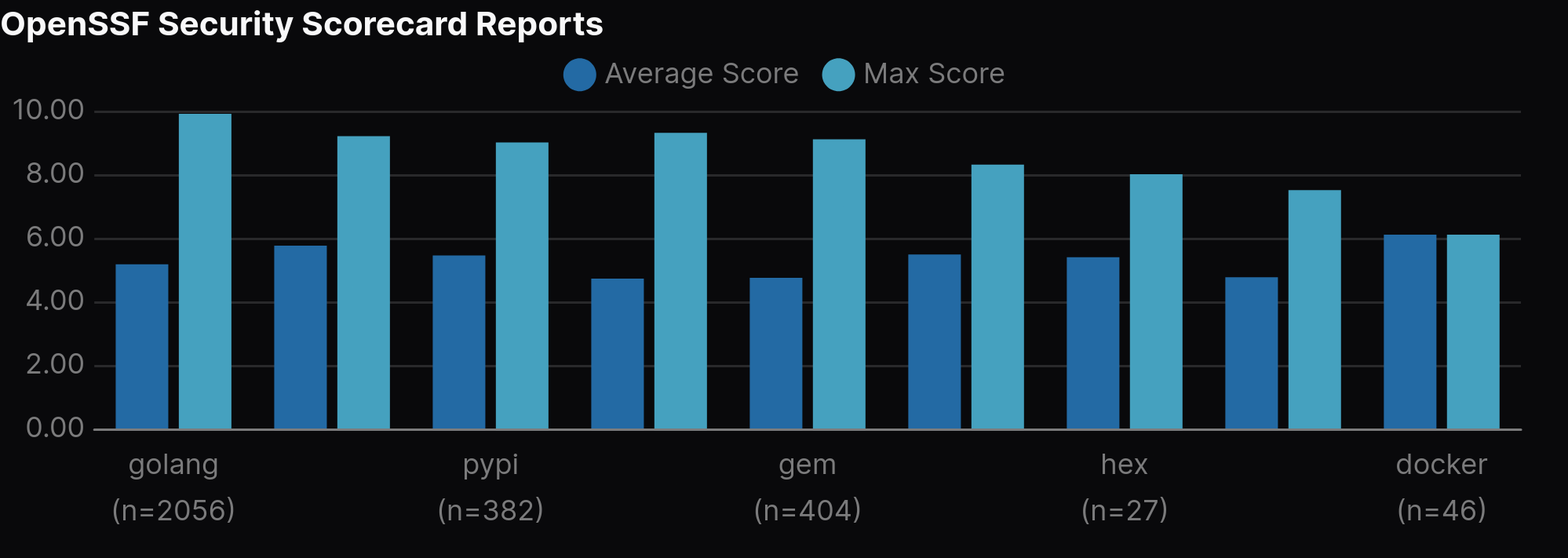
How to use Dependency Management Data and Evidence to create beautiful visualisations for insights about your dependency data.
by Jamie Tanna
.
#blogumentation
#dependency-management-data.
Accessing (accidentally) 'used' tickets in The Trainline's app (2 mins read).
How to access your etickets for The Trainline, when you've (accidentally) clicked 'mark as used'.
by Jamie Tanna
.
#blogumentation.
